Is Jasmine Tea the Same as Xiang Pian? Master 4 Brewing Steps for a Captivating Aroma
Nothing is more disappointing than a floral tea that smells of harsh artificial fragrance, or one that turns bitter once brewed. So how do you choose a high-quality jasmine tea, and how do you brew it without bitterness? This article covers the difference between jasmine tea and xiang pian (scented tea), what to look for when buying, a brewing guide, and common Q&A to help you get to know jasmine tea better!
Contents
- What Is Jasmine Tea? Is It the Same as Xiang Pian? The Differences at a Glance
- When Is the Best Time to Drink Jasmine Tea? 5 Benefits and the Best Moments to Enjoy It
- How to Choose Jasmine Tea: Look at Aroma, Tea Leaves and Origin
- How to Brew Jasmine Tea Without Bitterness: A 4-Step Guide
- What Should You Avoid When Drinking Jasmine Tea? Who Should Take Care? Jasmine Tea FAQ
- Savor the Fresh Floral Aroma! Jasmine Teas Recommended by Yingchaxiang
What Is Jasmine Tea? Is It the Same as Xiang Pian? The Differences at a Glance
With its delicate, lingering floral aroma and smooth, sweet finish, jasmine tea is loved by many in the world of floral teas. It takes advantage of tea leaves’ natural ability to absorb aromas: through the traditional “scenting” (xun) process, the leaves soak up the fragrance released by fresh jasmine blossoms, blending tea and floral notes into a distinctive, layered flavor.
In Taiwanese tea culture, “xiang pian” is often used as another name for jasmine tea. From a tea classification standpoint, however, xiang pian covers a wider range: besides jasmine tea, it also includes teas scented with osmanthus, magnolia and other fragrant flowers. The main differences lie in the type of flower used and how broadly the name applies, while the base tea and level of oxidation vary depending on how the tea is actually made.
Jasmine Tea vs. Xiang Pian: Definition, Base Tea and Oxidation Compared
| Jasmine Tea | Xiang Pian | |
|---|---|---|
| Definition | Refers specifically to tea scented with fresh jasmine flowers | Broadly refers to all flower-scented teas; in Taiwan it usually means jasmine tea by default |
| Flowers Used | Mainly fresh jasmine flowers | Jasmine, osmanthus, magnolia and other fragrant flowers |
| Base Tea | Mostly unoxidized green tea (such as baked green tea); white tea or oolong also used | Wider range; traditionally lightly oxidized pouchong or oolong tea |
| Oxidation | Mainly unoxidized (depends on the base tea) | Mainly light to medium oxidation |
When Is the Best Time to Drink Jasmine Tea? 5 Benefits and the Best Moments to Enjoy It
The elegant floral aroma of jasmine tea is refreshing and uplifting. Enjoyed in moderation, it adds a sense of ritual to everyday life and is a lovely way to shift your mood. Common benefits include the following 5:
- An alternative to sugary drinks: Jasmine tea is usually made with green tea or other tea leaves as the base, which naturally contain components such as tea polyphenols. Brewed without sugar, it makes a good alternative to sweetened beverages.
- A change of mood: Jasmine flowers give off a soft, delicate fragrance. A cup during a busy or tiring moment lets the gentle aroma help you reset.
- Fresh breath: With its fresh floral notes and light tea character, jasmine tea is ideal after meals, replacing lingering food flavors with a clean, crisp taste.
- Cuts through richness: The tea is refreshing with a sweet finish, and its natural tannins help balance heavy, oily or overly sweet flavors.
- A gentle lift: Jasmine tea naturally contains caffeine. Its soft floral aroma and mellow tea notes make it a great afternoon break at work, adding a refreshing moment to a busy day.
3 Ideal Moments to Drink Jasmine Tea
Because jasmine tea contains caffeine and tea polyphenols, it is best not to drink it on an empty stomach to avoid stomach discomfort. If you are sensitive to caffeine, also avoid drinking it within 2–3 hours of bedtime so it does not affect your sleep. The best times to enjoy jasmine tea are:
- After a big meal or dessert: Jasmine tea is perfect for cutting through richness. After a rich afternoon tea, barbecue or heavily seasoned meal, a cup helps balance oily and sugary flavors.
- Afternoons at work or study: Between 2 and 4 p.m. it is easy to feel drowsy. Get up, brew a cup of jasmine tea and walk around for a moment to step away from your desk and enjoy a short break.
- Before or after exercise: Unsweetened jasmine tea in moderation before or after exercise offers a refreshing taste and an option beyond plain water; during exercise, however, hydration should still be based on your personal needs.
How to Choose Jasmine Tea: Look at Aroma, Tea Leaves and Origin
With so many floral teas on the market, finding a jasmine tea with an elegant aroma and a sweet finish comes down to three things: aroma, the base tea and where the ingredients come from. This will help you find a tea that suits your taste.
1Check the Aroma
When choosing a floral tea, notice whether the floral aroma is natural and long-lasting, and how well the tea and floral notes are balanced.
- Traditional scenting process: Fresh jasmine flowers are placed in contact with the tea leaves so the leaves absorb the fragrance the blossoms release. When brewed, a delicate floral scent rises with the steam, and on the palate you can taste the interwoven layers of tea and flower.
- Layered fragrance: In addition to jasmine itself, some scenting processes add a small amount of fresh magnolia to highlight the character of the jasmine. Look for a floral aroma that is fresh, natural and well integrated with the tea, and avoid teas that smell overly pungent or have noticeable off-notes.
2Check the Tea Leaves
The base tea affects the flavor, mouthfeel and how many infusions jasmine tea can take. Besides knowing the type of tea, you can also look at the dry leaves and the brewed liquor.
- Choice of base tea: Most jasmine teas use green tea as the base, though some are made with pouchong or white tea. Each base has its own aroma and taste, so choose according to how refreshing, mellow or full-bodied you like your tea.
- Leaf appearance: Good-quality leaves are tightly and evenly rolled with no impurities. After brewing, check that the liquor is clear and bright, and that the tea tastes clean, balanced and sweet on the finish.
3Check the Origin
When buying jasmine tea, give priority to brands that clearly state the tea’s origin, ingredient information and source of fragrance, and confirm whether the product is scented with fresh flowers or by other methods. Knowing where the tea comes from and how it is made makes it easier to choose a jasmine tea that suits you.
How to Brew Jasmine Tea Without Bitterness: A 4-Step Guide
Many people brewing jasmine tea bags at the office or at home tend to leave the bag in a mug for a long time, or pour boiling water straight onto it, which easily makes the tea bitter. For a fragrant, smooth cup of jasmine tea, follow these 4 steps:
Step 1: Prepare the Tea Bag and Cup
Place a tea bag in a mug or ceramic cup. Adjust the amount of water according to the tea bag weight and the product’s recommendation, then fine-tune the strength to your taste.
Step 2: Control the Water Temperature
Avoid pouring 100°C boiling water directly onto the tea bag. For jasmine tea with a green tea base, use water at around 80–85°C. Letting freshly boiled water cool slightly before pouring reduces the bitterness caused by high heat while letting the delicate jasmine aroma come through.
Step 3: Let It Steep
Pour the hot water slowly along the side of the cup, then cover it or let it stand for 2–3 minutes so the tea and jasmine aromas gradually release. There is no need to keep dunking or squeezing the bag; if you prefer a lighter taste, simply shorten the steeping time.
Step 4: Remove the Tea Bag and Enjoy
Once steeping is done, remove the tea bag and enjoy a cup of jasmine tea with a delicate floral aroma and smooth tea character. Some tea bags can also be re-steeped; adjust the water temperature and steeping time according to the tea and your preference to experience how the flavor changes with each infusion.
What Should You Avoid When Drinking Jasmine Tea? Who Should Take Care? Jasmine Tea FAQ
QWhat should you avoid when drinking jasmine tea?
- Avoid drinking it on an empty stomach: Jasmine tea contains natural components such as tea polyphenols and caffeine. Strong tea on an empty stomach may cause stomach discomfort, so adjust the timing and strength to suit you.
- Avoid drinking large amounts close to bedtime: Jasmine tea contains caffeine. If you are sensitive to caffeine or easily affected by it, try to avoid it within 3–4 hours of bedtime so it does not disturb your night’s rest.
QWho should take extra care when drinking jasmine tea?
- People sensitive to caffeine: Although jasmine tea has a delicate floral aroma, the tea leaves still contain caffeine. Caffeine-sensitive people may experience palpitations or difficulty falling asleep, so drink it in moderation.
- Pregnant and breastfeeding mothers: During pregnancy and breastfeeding, keep track of your total daily caffeine intake, including tea, coffee and other caffeinated drinks. Check the product label before drinking and consult a doctor or dietitian based on your situation.
- People with sensitive constitutions: If green tea often upsets your stomach, use fewer leaves, shorten the steeping time to avoid an overly strong brew, and adjust the timing and amount to how you feel.
QDoes jasmine tea contain caffeine? Will it affect my sleep?
Many people assume floral teas are caffeine-free herbal teas, but jasmine tea is usually made with green tea, pouchong or other tea leaves as the base and then scented with fresh jasmine flowers, so the tea still contains caffeine. If you are worried about your sleep, pay attention to when you drink it.
Savor the Fresh Floral Aroma! Jasmine Teas Recommended by Yingchaxiang
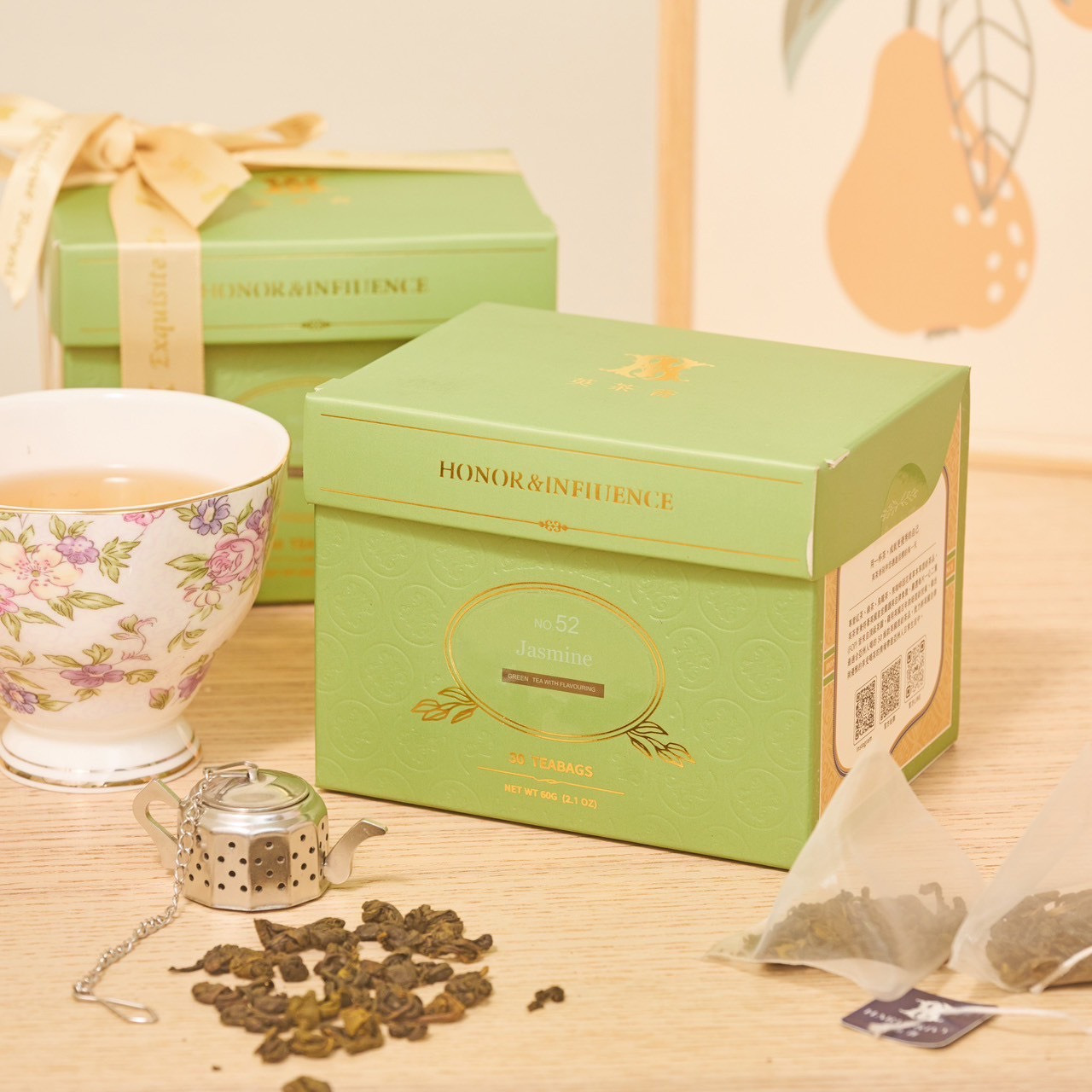
Jasmine Green Tea – Yingchaxiang No.52
Made with carefully selected high-quality Sri Lankan tea leaves for a smooth, mellow taste. Beyond the classic jasmine scenting, it is accented with a touch of magnolia, creating a full, elegant and richly layered double floral experience. Packed in a semi-transparent, dust-proof resealable bag that keeps out air and moisture, with pyramid tea bags that give the leaves room to unfurl. Perfect as a gift or for yourself.
[Floral Harmony Gift Box] 2 Tea Boxes + 7 Jasmine Passion Fruit Pineapple Cakes
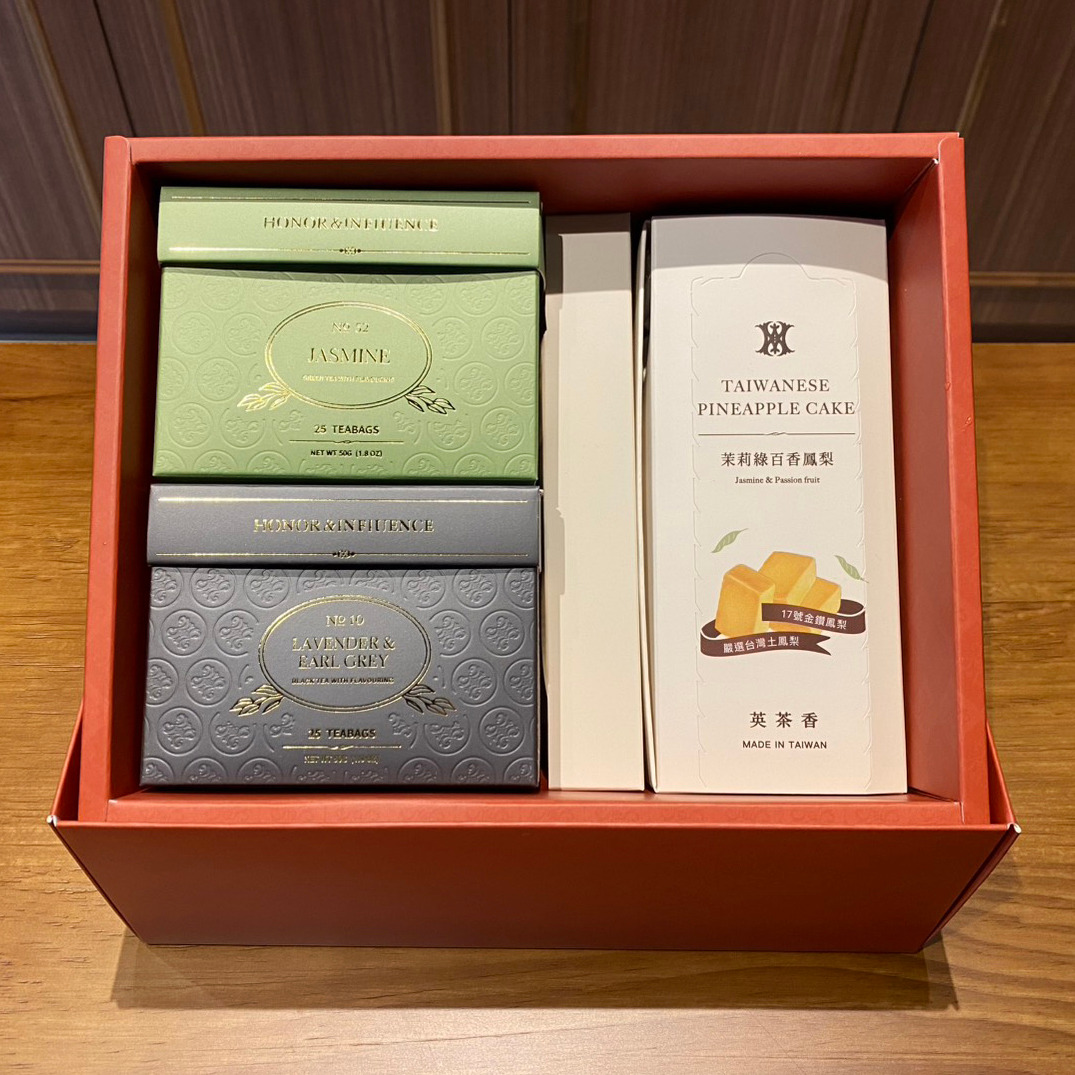
This set brings together the brand’s much-loved classic floral teas. Choose any 2 signature tea boxes, paired with 7 of Yingchaxiang’s unique pineapple cakes, for a refined afternoon tea set. Whether as a festive gift, a business gesture or a little everyday treat for yourself, this gift box delights both the eyes and the palate and is a tasteful way to send your best wishes.
Enjoy stepping away from the screen with a cup of jasmine tea on a busy afternoon? Or preparing a simple yet refined afternoon tea for yourself on a quiet weekend? To add a touch of everyday ritual to your life, visit Yingchaxiang now and discover your own floral tea moments!
