Black Tea or Green Tea: Which Has More Caffeine? 3 Factors That Affect Caffeine in Tea
Want to enjoy a cup of hot tea in the afternoon to unwind, but worried the caffeine in tea will affect your sleep? Not sure whether green tea or black tea has more caffeine? Once you understand what affects the caffeine content of tea and what to watch out for when drinking caffeinated teas, you can enjoy your tea time with greater peace of mind!
Contents
- Black Tea or Green Tea: Which Has More Caffeine? Tea Caffeine Content Ranking
- What Affects the Caffeine Content of Tea?
- How Much Caffeine Can You Have per Day? What Are the Effects and Side Effects of Too Much?
- Who Should Avoid Caffeine? What to Watch Out for When Drinking Caffeinated Teas
- 3 Selected Caffeinated Teas | Yingchaxiang
Black Tea or Green Tea: Which Has More Caffeine? Tea Caffeine Content Ranking
Under the same brewing conditions, the amount of caffeine released by common teas generally ranks as “black tea > oolong tea > green tea,” although differences may still exist between individual teas.
👉 Black Tea
As a fully oxidized tea, black tea undergoes thorough rolling and oxidation during production. This process breaks down the leaf cell walls, so components are released more easily when brewed in hot water. Under everyday brewing conditions, brewed black tea therefore tends to have a relatively higher caffeine concentration, although the actual amount still depends on the tea variety, amount used, steeping time and water temperature. If you like tea in the morning, adjust how much you drink according to your own caffeine tolerance.
👉 Oolong Tea (Qing Cha)
Oolong is a partially oxidized tea with a wide range of oxidation levels. Common varieties include pouchong, Tieguanyin and Oriental Beauty, each with its own distinctive aroma and flavor. Its caffeine content usually falls between green tea and black tea.
👉 Green Tea
Green tea is an unoxidized tea. After picking, the leaves are “fixed” with heat to stop enzyme activity, preserving their original color and fresh flavor. At the same water temperature and steeping time, caffeine is usually released more slowly from green tea.
👉 Caffeine-Free Herbal Tea (No Tea Leaves)
If you are sensitive to caffeine or want to cut down on caffeine in the evening, consider herbal teas that contain no tea leaves or other caffeinated ingredients, such as pure dried-flower teas, rooibos or fruit teas without tea leaves. When buying, check the ingredient label to confirm that no black tea, green tea or other caffeinated ingredients have been blended in, then choose according to your drinking habits.
What Affects the Caffeine Content of Tea?
Many people believe that “the more oxidized the tea, the more caffeine it has,” but dietitians point out that caffeine content is not strictly related to oxidation. It is mainly affected by key factors such as water temperature, steeping time and how young or mature the leaves are:
- Water temperature: The hotter the water, the faster caffeine dissolves.
- Steeping time: The longer tea bags or leaves steep, the more caffeine is released in total. Even teas that normally release caffeine slowly can become much stronger when left to steep in hot water for a long time.
- Leaf maturity: Young buds and leaves naturally contain more defensive compounds, so their caffeine proportion is often higher than that of mature leaves. Matcha, made by grinding whole leaves into powder, also tends to release more caffeine.
In other words, green tea is not necessarily low in caffeine; matcha and strong green tea can sometimes even contain more caffeine than black tea. If you are sensitive to caffeine and your sleep is easily affected, it is best to drink less tea after the afternoon or switch to caffeine-free herbal teas.
What Caffeine-Free Drinks Can You Choose?
Many people wonder what caffeine-free drink options are available. Here are 3 common types for readers who are sensitive to caffeine:
- Grain teas: Such as barley tea, black bean tea and corn silk tea, made from roasted grains like barley, black beans or corn silk, with a mild, smooth flavor and natural grain aroma.
- Herbal teas: Such as chamomile and peppermint tea, brewed from naturally dried herbs and flowers with a soft herbal fragrance. However, pregnant or breastfeeding women and people taking certain medications should take care, and are advised to consult a doctor before drinking strong, concentrated herbal teas.
- Fruity and fruit-piece teas: Such as roselle tea and rosehip tea, brewed from natural dried fruit or roselle calyces, with a sweet-tart, refreshing taste.
How Much Caffeine Can You Have per Day? What Are the Effects and Side Effects of Too Much?
According to Taiwan’s Food and Drug Administration (Ministry of Health and Welfare), caffeine is a double-edged sword. Those who consume too much or are sensitive to caffeine should take particular care. The following daily upper limits are recommended for different groups, and people are reminded to adjust their habits to their own situation—watching not only their total intake but also avoiding caffeine in the evening to maintain good sleep.
- Adults: Keep daily caffeine intake below 300 milligrams (mg).
- Teens aged 12–18: No more than 100 mg per day.
- Pregnant women and children under 12: Avoid caffeine as much as possible.
What Can Happen If You Have Too Much Caffeine?
According to the local health bureau, moderate amounts of caffeine help block the neurotransmitters that cause drowsiness, temporarily boosting alertness and concentration, which is why many office workers rely on it for a daily pick-me-up. However, if you consume too much in a short time or are naturally sensitive, watch out for the following reactions:
- Physical discomfort: Excessive intake may cause more noticeable reactions such as palpitations or trembling hands in some sensitive people.
- Poorer night-time rest: Caffeine has a half-life of about 4–6 hours in the body, so drinking it in the evening or before bed can easily affect your rest at night.
- Stimulates stomach acid: Caffeine promotes stomach acid secretion. For those with sensitive stomachs or who are prone to acid reflux, drinking it on an empty stomach or in excess can increase stomach discomfort.
- Habitual dependence: If you regularly consume large amounts over a long period, stopping suddenly may cause temporary adjustment reactions such as headaches and fatigue in some people.
Who Should Avoid Caffeine? What to Watch Out for When Drinking Caffeinated Teas
Although enjoying tea in moderation adds an elegant sense of ritual to daily life and helps you shift your mood, there are still a few things to keep in mind when drinking caffeinated teas. The Ministry of Health and Welfare also reminds people with sensitive constitutions (such as those whose circulation or digestion is easily burdened), those with long-term sleep problems, as well as pregnant women and children, to reduce or avoid caffeinated teas.
3 Things to Remember When Enjoying Caffeinated Teas
- Do not take tea with medication: Tannins and caffeine in tea may interact with medication and affect how it is absorbed and works, so whether you take Western or Chinese medicine, leave a gap between drinking tea and taking medication.
- Avoid long, hot, high-concentration steeping: Follow the brewing suggestions on the package for suitable water temperature and steeping time, and avoid leaving tea bags to steep in a thermos for long periods.
- Stay hydrated: Caffeine has a mild diuretic effect, so while enjoying your tea, remember to drink enough warm water too.
3 Selected Caffeinated Teas | Yingchaxiang
[No.24] Dreamy Moment Black Tea
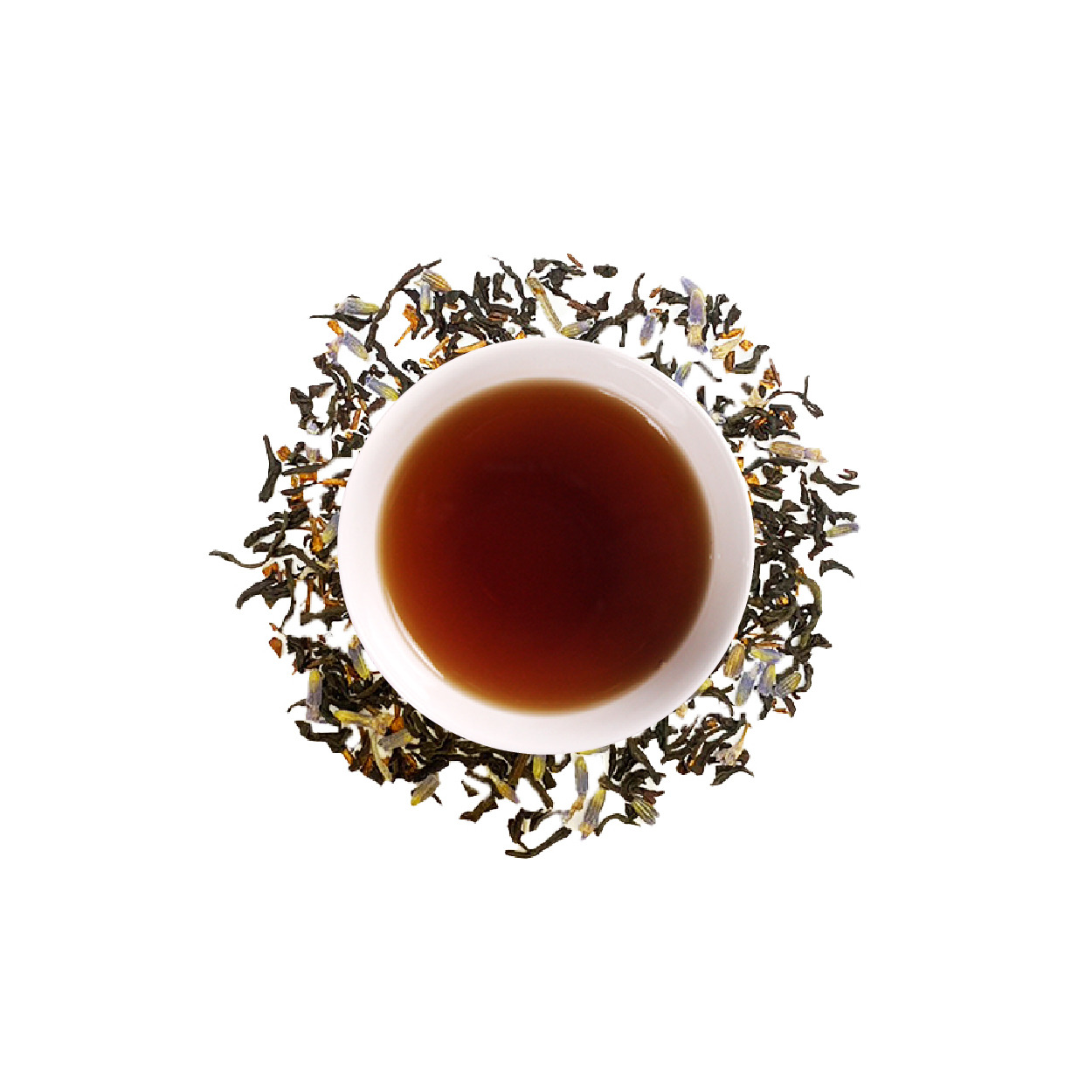
Yingchaxiang’s Dreamy Moment Black Tea is built around an elegant lavender aroma, carefully blended with rooibos and premium Ceylon black tea and finished with a subtle hint of toffee sweetness. As hot water is poured, soft floral and sweet notes rise together—perfect for slowing down on a busy afternoon and enjoying a soothing, relaxing moment all your own.
[No.201] Milk Oolong Tea
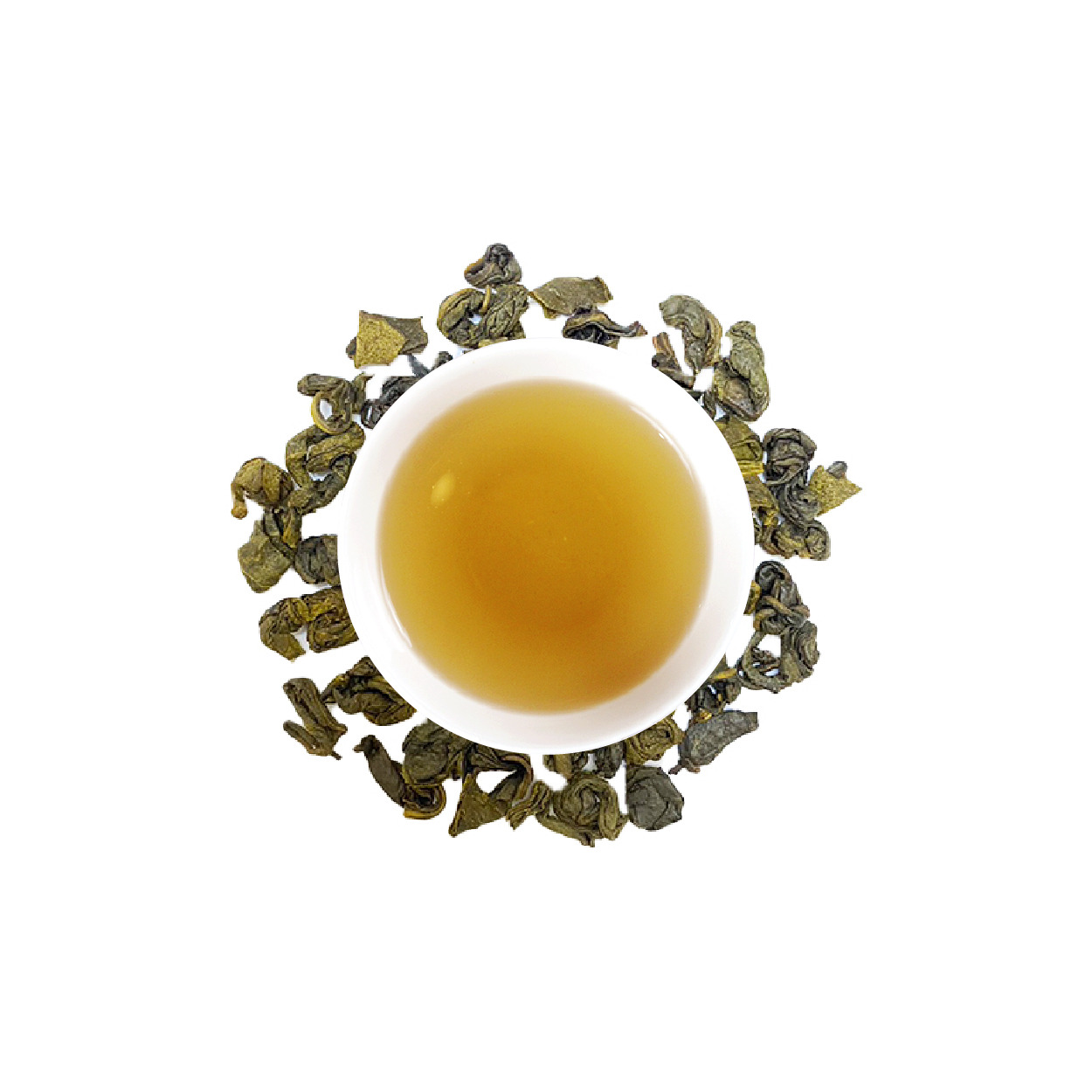
Yingchaxiang’s Caramel Milk Oolong uses carefully selected premium oolong leaves scented with caramel and milk. The creamy aroma leads to a sweet finish while keeping oolong’s fresh, lingering sweetness—richly layered, smooth and never cloying.
[No.53] Mango Bergamot Green Tea
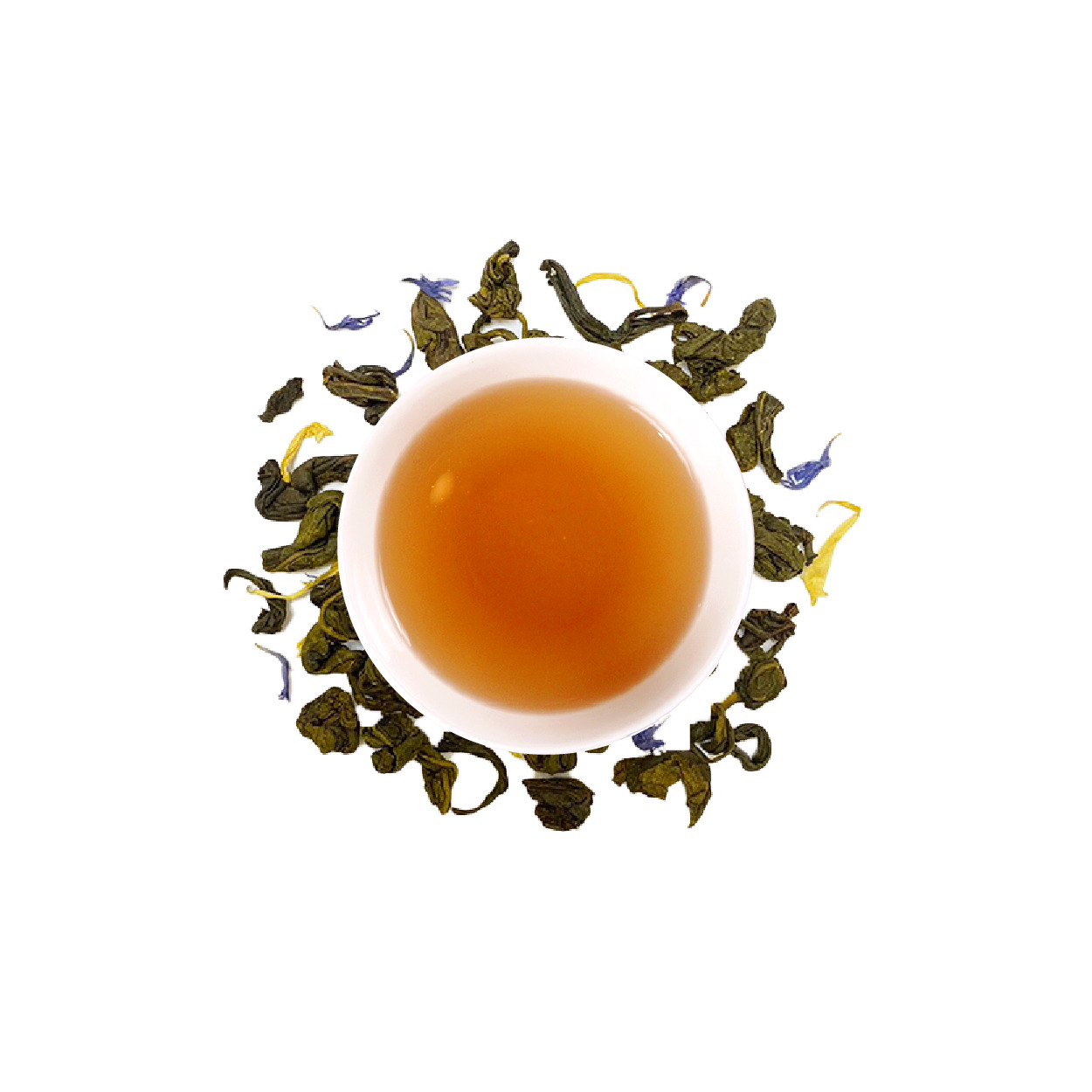
Yingchaxiang’s Mango Bergamot Green Tea uses fresh, fragrant green tea as its base, boldly paired with juicy mango flavor and refreshing bergamot pieces, and blended with hibiscus, cornflower and marigold petals. Smooth, mellow and layered on the palate, it brings a distinctive, refreshing taste of exotic summer.
Now that you know more about caffeine, daily intake and the best times to drink tea, would you like to keep a few tea bags at home? Yingchaxiang selects tender “one bud, two leaves” from Taiwan and combines them with high-quality FOP-grade tea that meets international standards. We have also increased the proportion of the tea base to preserve the layered aromas of classic English blending, so every cup is rounded, smooth and refined—just as you would expect!
