How to Choose Rose Tea? What to Avoid and 3 Groups Who Should Take Care
In your busy schedule, how long has it been since you truly slowed down and enjoyed a cup of rose tea? This article covers 4 benefits of rose tea, how to choose it and how to brew it, so you can find the rose tea that suits you best and use it to reset your mood and rediscover a more relaxed pace amid a hectic life.
Contents
- What Is Rose Tea? What Are the Benefits of Drinking It?
- How to Choose a Good Rose Tea: 4 Things to Look For
- Who Should Not Drink Rose Tea? What to Avoid and Key Precautions
- How to Brew Rose Tea: 3 Steps to an Elegant Cup
- When Is the Best Time to Drink Rose Tea?
- Where to Buy Rose Tea? Rose Teas Recommended by Yingchaxiang
What Is Rose Tea? What Are the Benefits of Drinking It?
Rose tea is made either by drying food-grade rose buds or petals to lock in their fragrance and steeping them directly in hot water, or by scenting base teas such as black, green or oolong tea with roses. Any tea that releases this elegant rose aroma is what we know as rose tea.
Some people may want to make rose tea from their own roses, but flowers used for tea must be special “food-grade varieties,” grown and harvested under strict pesticide and hygiene standards. The ornamental roses commonly sold on the market should not be brewed directly. To enjoy the charm of rose tea, we recommend buying clearly labeled tea bags that have passed quality inspections, so you can drink with elegance and peace of mind.
4 Benefits of Drinking Rose Tea
Many people like to brew themselves a cup of rose tea in daily life, not just for its elegant aroma, but also for these 4 relaxing, feel-good experiences:
- A caffeine-free option (pure dried-flower teas): For those sensitive to caffeine, worried about their rest at night, or looking to cut down on daily caffeine, an herbal tea brewed from pure dried rose petals is a great alternative. It is caffeine-free and gentle, so you can enjoy it at any time of day.
- A change of mood: When steeped in hot water, rose tea releases a warm, delicate natural floral fragrance. Its soft aroma helps you shift your mood and reset the pace of your day.
- Beauty and wellness care: Roses contain natural plant nutrients. Drinking rose tea regularly and in moderation can promote metabolism and help you look your natural best.
- Helps maintain digestive function: A warm cup of rose tea after a meal, with its elegant floral notes and comforting warmth, brings a sense of satisfaction and relaxation while helping maintain smooth digestive function, leaving you feeling lighter and more refreshed.
How to Choose a Good Rose Tea: 4 Things to Look For
There are many rose tea products on the market, and they vary widely in quality and flavor. To choose a high-quality rose tea you can trust, look at the following 4 aspects:
1Appearance and Packaging
- Tea bag and leaf condition: Good rose tea bags usually use breathable, roomy pyramid bags that let whole leaves and rose petal pieces fully unfurl during brewing. The petals and leaves inside should be evenly dried, with no dustiness or fine impurities.
- Natural color: Naturally dried flowers will not be perfectly uniform in color. Check whether the rose pieces have a natural, soft dark red, deep red or purplish-red hue rather than an overly vivid, unnatural bright red.
2Natural Aroma
Gently smell the dried flowers before brewing; good floral tea gives off a natural, mild rose scent. If you smell something sharp, overpowering or chemical as soon as you open the package, artificial essential oils or flavorings have often been added. A musty or stale smell means the tea has been stored poorly or kept too long.
3Liquor Color and Mouthfeel
Once brewed with hot water, rose tea should be a clear pale yellow, light amber or faintly pink (depending on the water’s pH and the variety). It should taste mild and smooth, with the flowers’ own subtle tartness and sweetness.
4Brands with Complete Labeling and Verified Testing
Give priority to brands that clearly state where their ingredients come from and have passed organic certification and pesticide-residue testing by SGS or other trusted bodies, so you can drink happily and with peace of mind.
Who Should Not Drink Rose Tea? What to Avoid and Key Precautions
Doctors point out that everyone’s constitution is different, and reactions after drinking vary. The following 3 groups should take extra care:
- People with sensitive stomachs or weak digestion: Roses contain tannins, which may irritate the stomach and intestines. If you are prone to diarrhea or stomach discomfort, avoid drinking too much at once.
- Pregnant women, especially in early pregnancy: Rose is known for promoting circulation, so pregnant women with sensitive constitutions (especially in early pregnancy) are advised to avoid drinking large amounts.
- Women with heavy menstrual flow: Because rose tea promotes circulation, those with heavy periods are advised to hold off during menstruation.
3 Things Everyone Should Avoid When Drinking Rose Tea
- Do not take it together with medication: The tannins and trace components in tea may affect how medicines are absorbed and work. Whether you take Western or Chinese medicine, leave at least 1–2 hours between drinking tea and taking medication.
- Avoid drinking too much: Any wellness tea should be enjoyed in moderation. Keep it to 1–2 cups a day, as drinking too much may actually cause discomfort.
- Do not drink it on an empty stomach: Stomach acid is higher on an empty stomach, and floral tea at that time may slightly irritate the stomach lining. It is best enjoyed after a meal or with a snack.
How to Brew Rose Tea: 3 Steps to an Elegant Cup
Rose tea bags are not only convenient to carry, they also release their flavor quickly. Just control the water temperature and steeping time and follow these 3 steps to easily brew a fragrant, smooth cup of floral tea:
- Step 1: Pour a little hot water into the cup, swirl it gently and discard. Warming the cup keeps the brewing temperature stable so the rose aroma is released more fully.
- Step 2: Place the tea bag in the cup and pour in water at about 85–90°C. Avoid pouring boiling water directly onto the tea bag, which can spoil the delicate flavor or release bitterness.
- Step 3: Let it steep for about 3–5 minutes, gently lifting the string now and then to help the tea spread, then remove the bag and enjoy.
Popular Rose Tea Bag Pairing Guide
Besides brewing it on its own to enjoy the pure floral aroma, rose tea bags also make a great base for different pairings that add layers of flavor.
| Pairing | Flavor Profile | Best For |
|---|---|---|
| Lemon slices | Fruity, lightly tart notes for a more refreshing taste | Summer cold brew |
| Goji berries | Natural sweetness balances the flowers’ slight tartness for a mellow, smooth flavor | Warm drinks in autumn and winter |
| Honey | Adds a smooth, honeyed sweetness | Relaxing weekends, paired with afternoon tea |
| Fresh milk / plant milk | Floral and milky notes blend into a creamy, mellow texture | Relaxing weekends, paired with afternoon tea |
When Is the Best Time to Drink Rose Tea?
✓In the Morning or Before Work
Before starting your day, enjoy a cup of rose tea with a base tea (such as black tea). Its gentle floral aroma helps wake your mind softly and brings calm focus to the day ahead.
✓Afternoon Tea After Lunch
It is easy to feel sluggish after lunch. A warm cup of rose tea at this time lets its elegant aroma lift your mood, ease tension and recharge you for the afternoon.
✓Unwinding in the Evening Before Bed
After a busy day, brew a cup of caffeine-free pure rose tea after your bath or while reading. The warmth and naturally soothing fragrance help you let go of the day’s tension and create a relaxing bedtime ritual.
Where to Buy Rose Tea? Rose Teas Recommended by Yingchaxiang
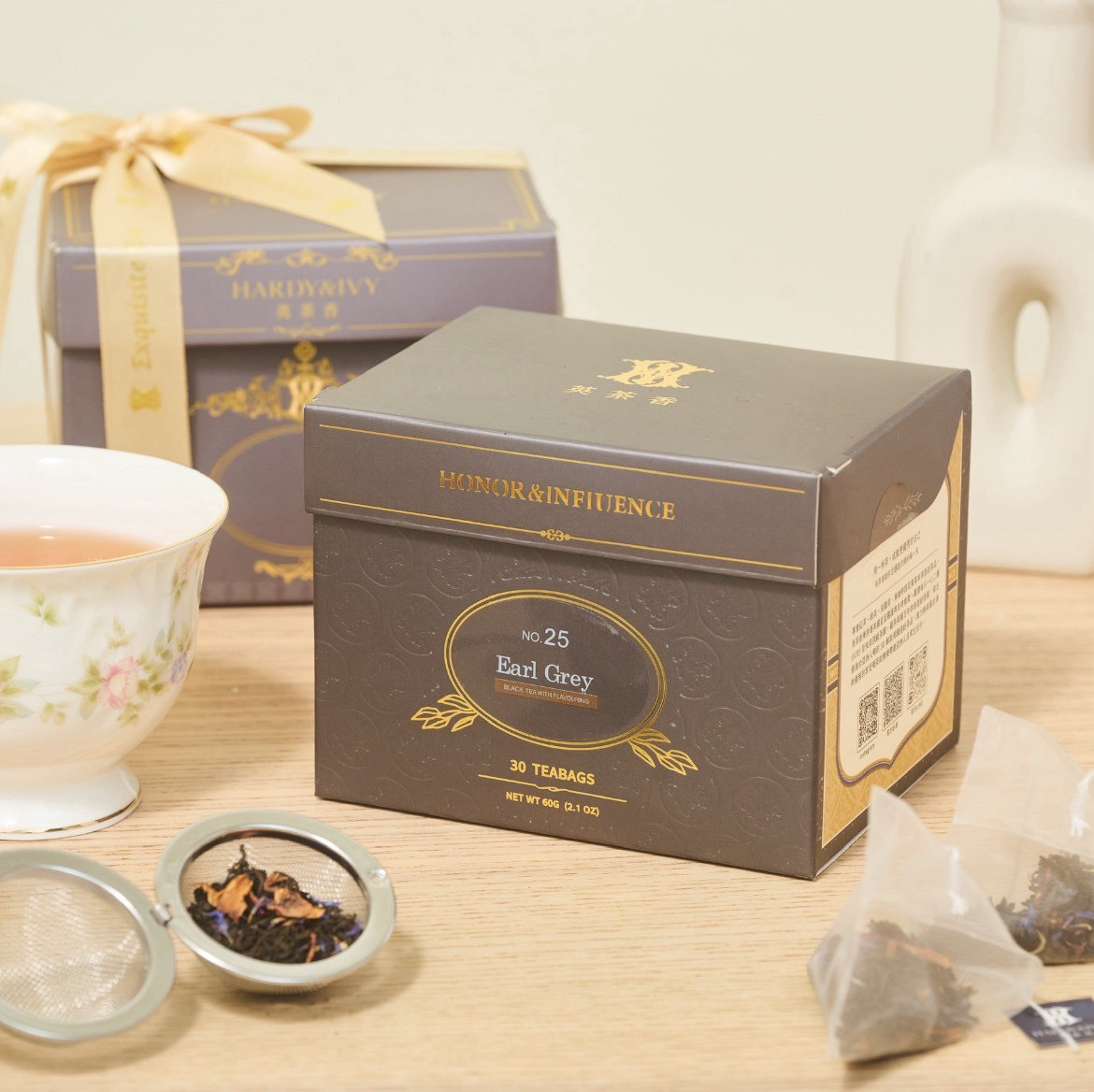
Rose Earl Grey Black Tea – Yingchaxiang No.19
An elegant blend of rose and classic Earl Grey that perfectly combines a rich, captivating rose aroma with the fresh citrus notes of bergamot. The moment hot water is poured, a luxurious, full-bodied fragrance blooms; on the palate it is rich and balanced, with finely layered flavors.
No.22 Peach Rose Black Tea Box
Want to enjoy a sweet, light fruity note within the floral aroma of rose tea? Yingchaxiang’s Peach Rose Black Tea uses Ceylon black tea as its base, paired with fragrant rose and fresh white peach for a delicate, multi-layered and luxurious taste. Rich and rounded, it brings a delightful, refreshing moment whether enjoyed hot or iced as a cold brew.
Brewing a warm cup of rose tea and letting its elegant, natural fragrance drift up with the steam is one way to reset your mood in the gaps of a busy workday. To add more refined rituals to everyday life and rediscover a comfortable, easygoing pace, visit Yingchaxiang and explore more rose tea combinations and variations!
